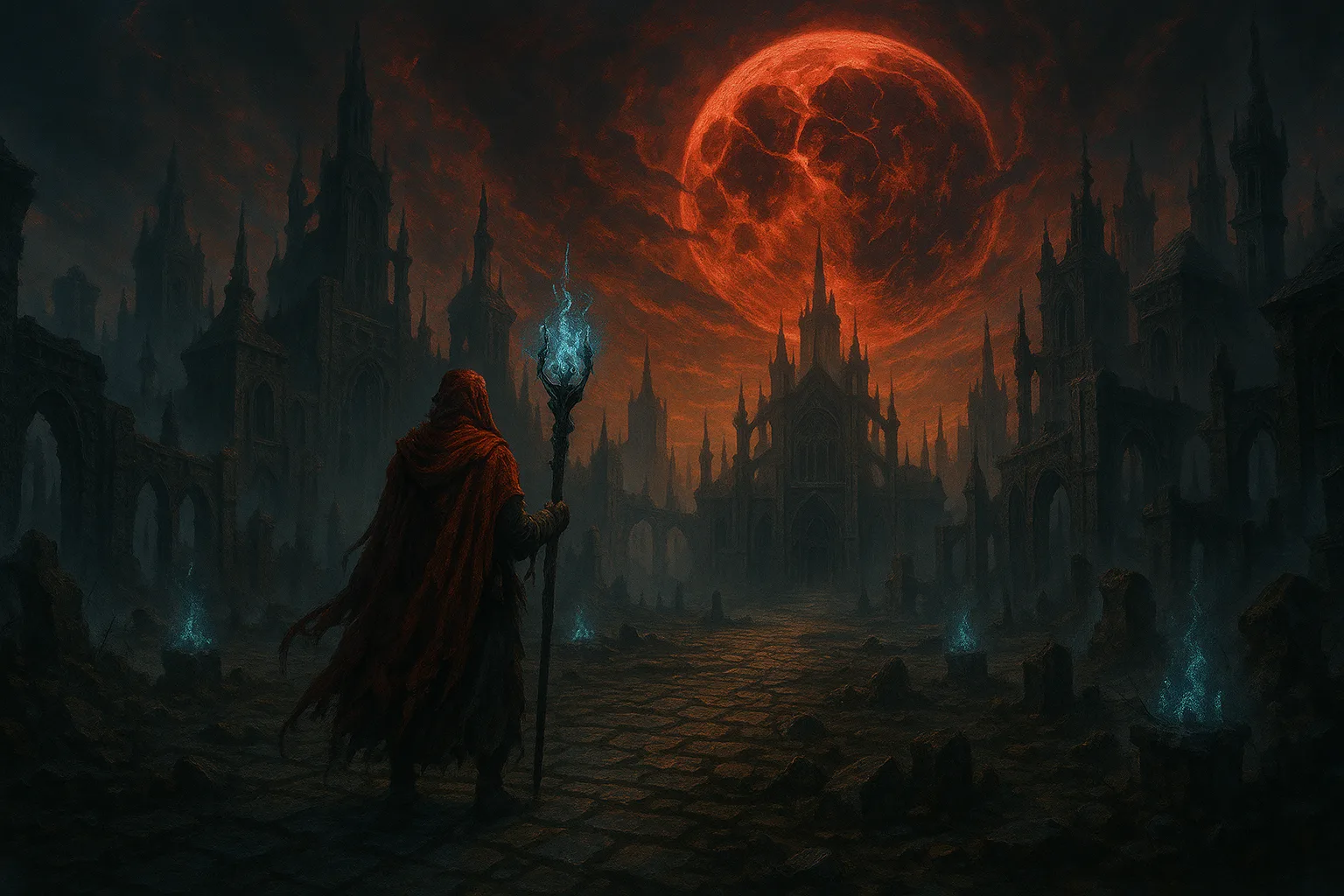
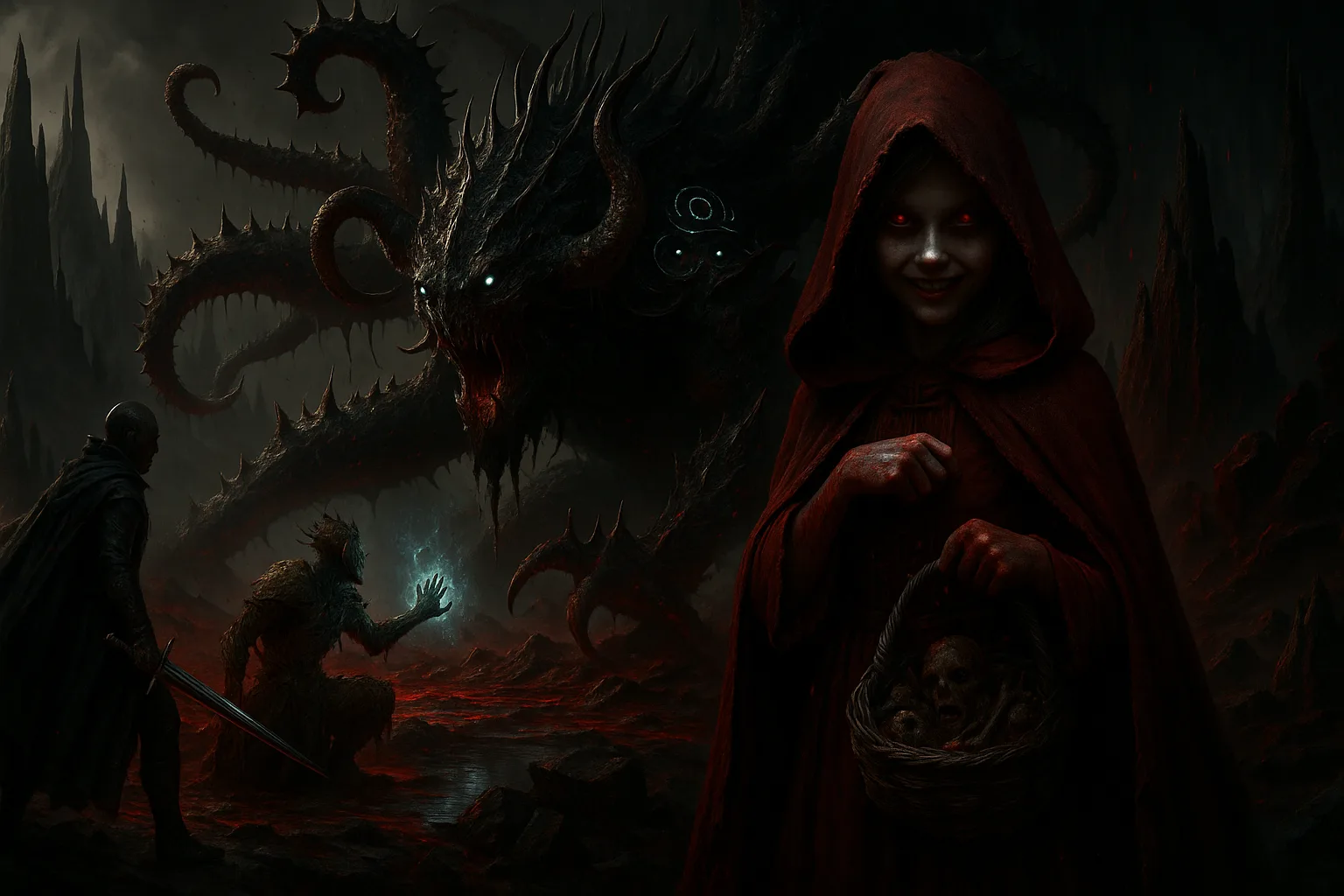
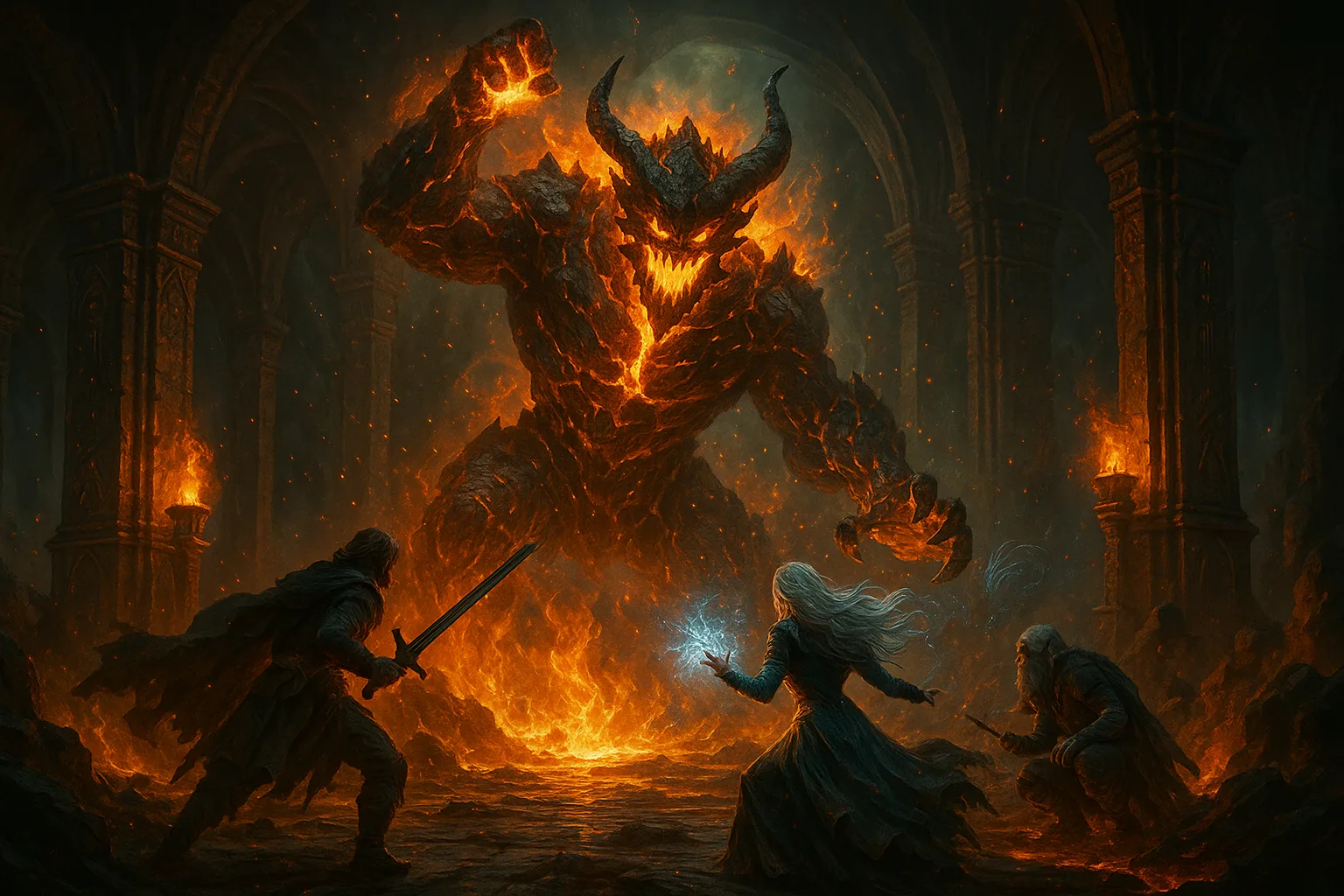
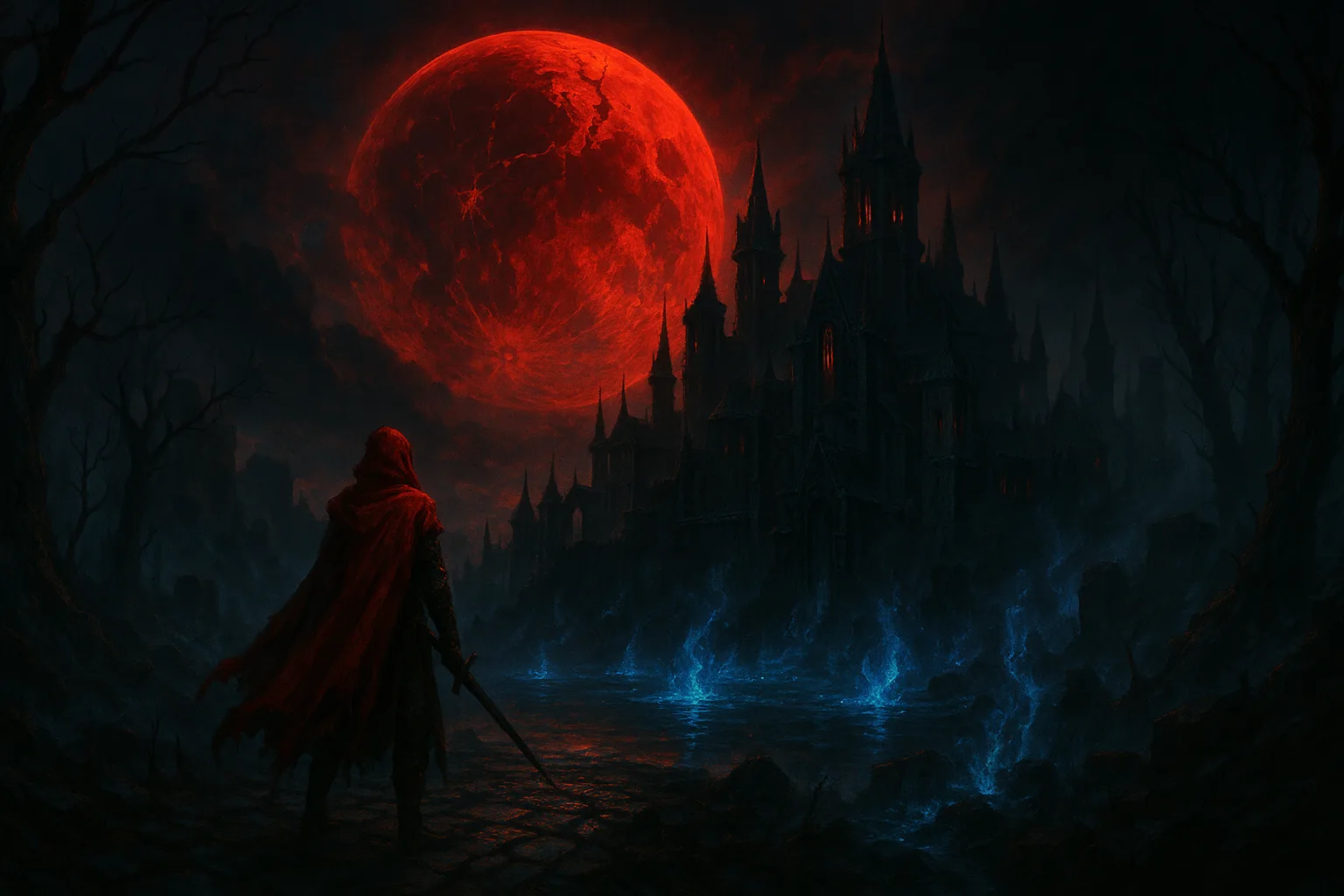
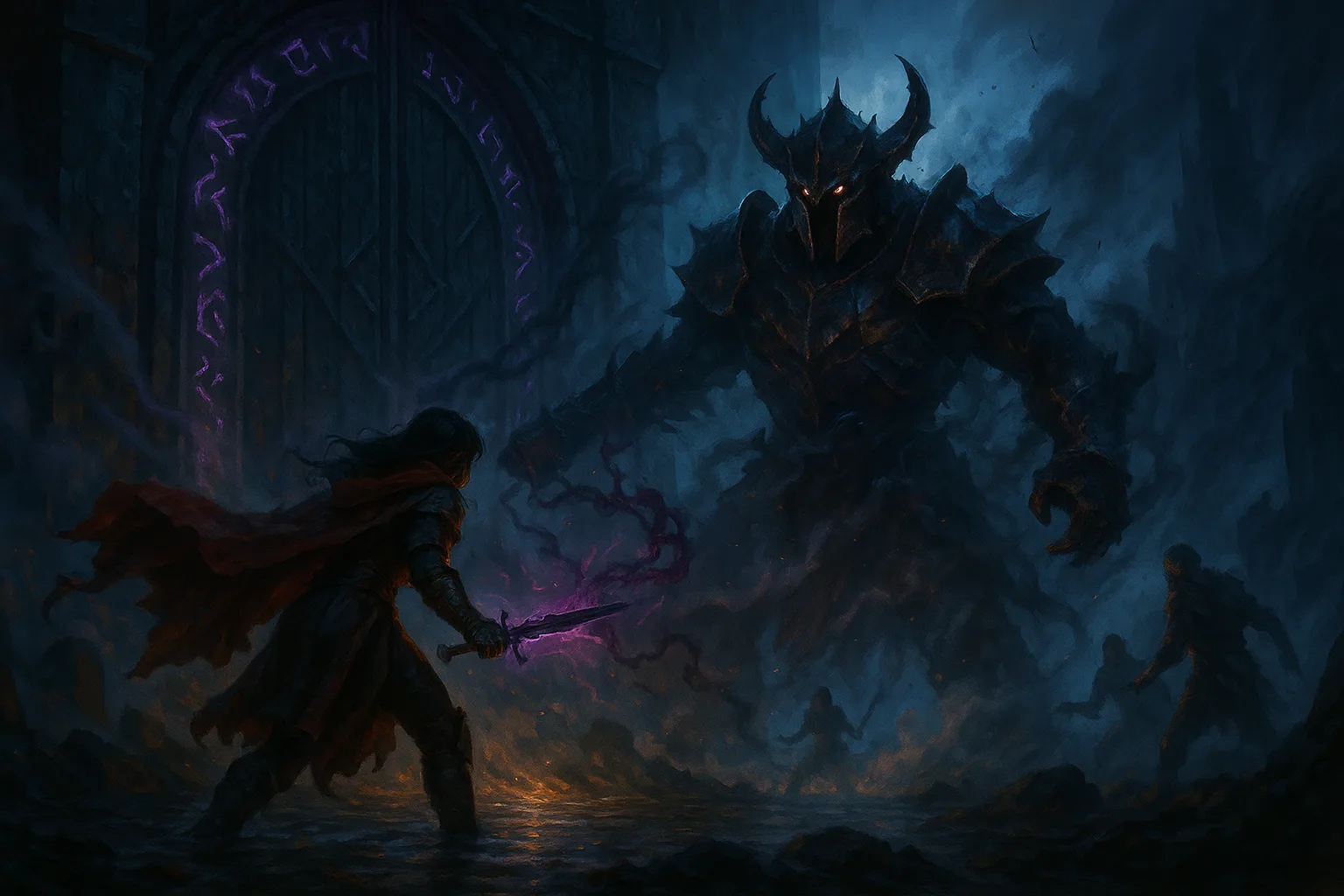
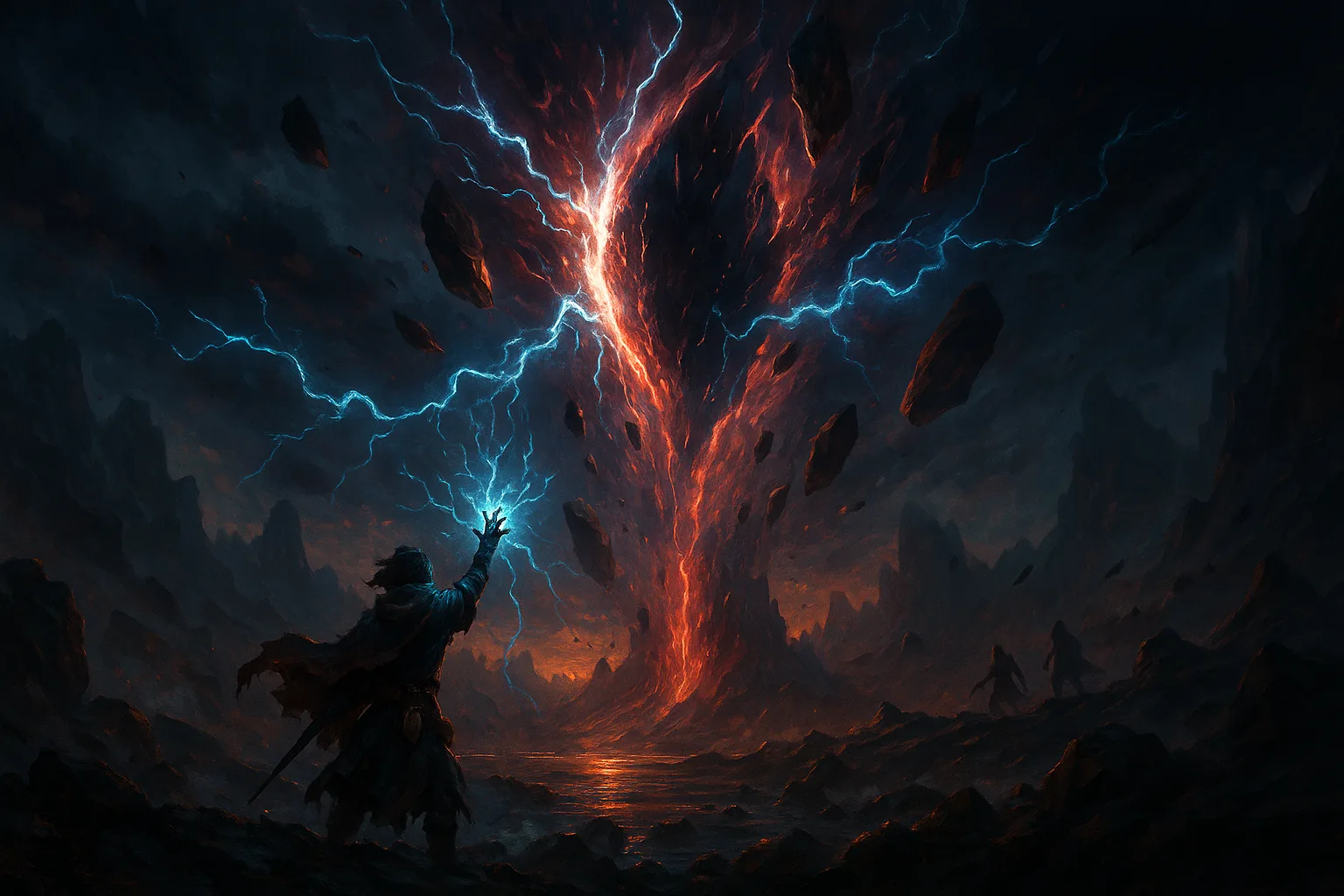
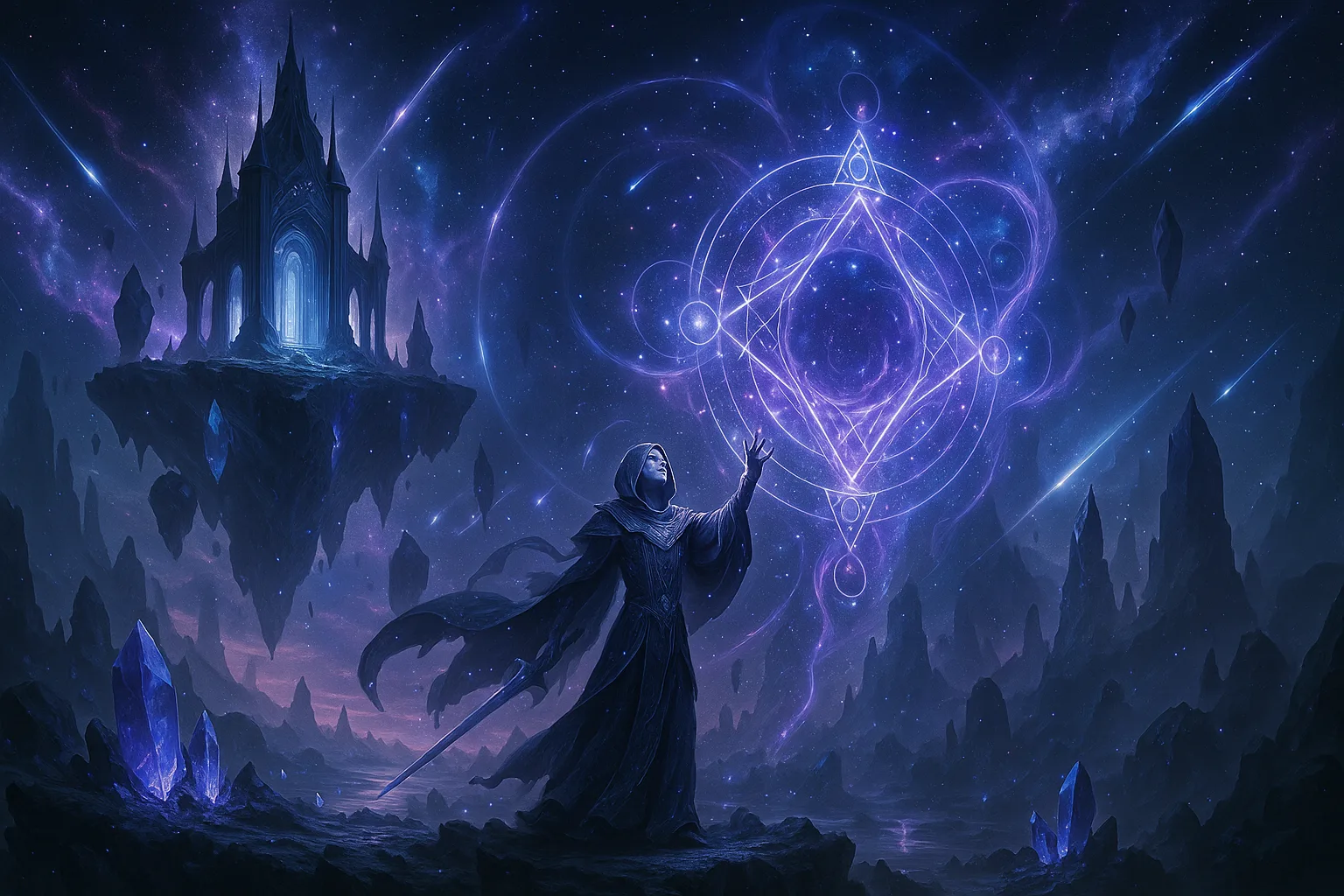
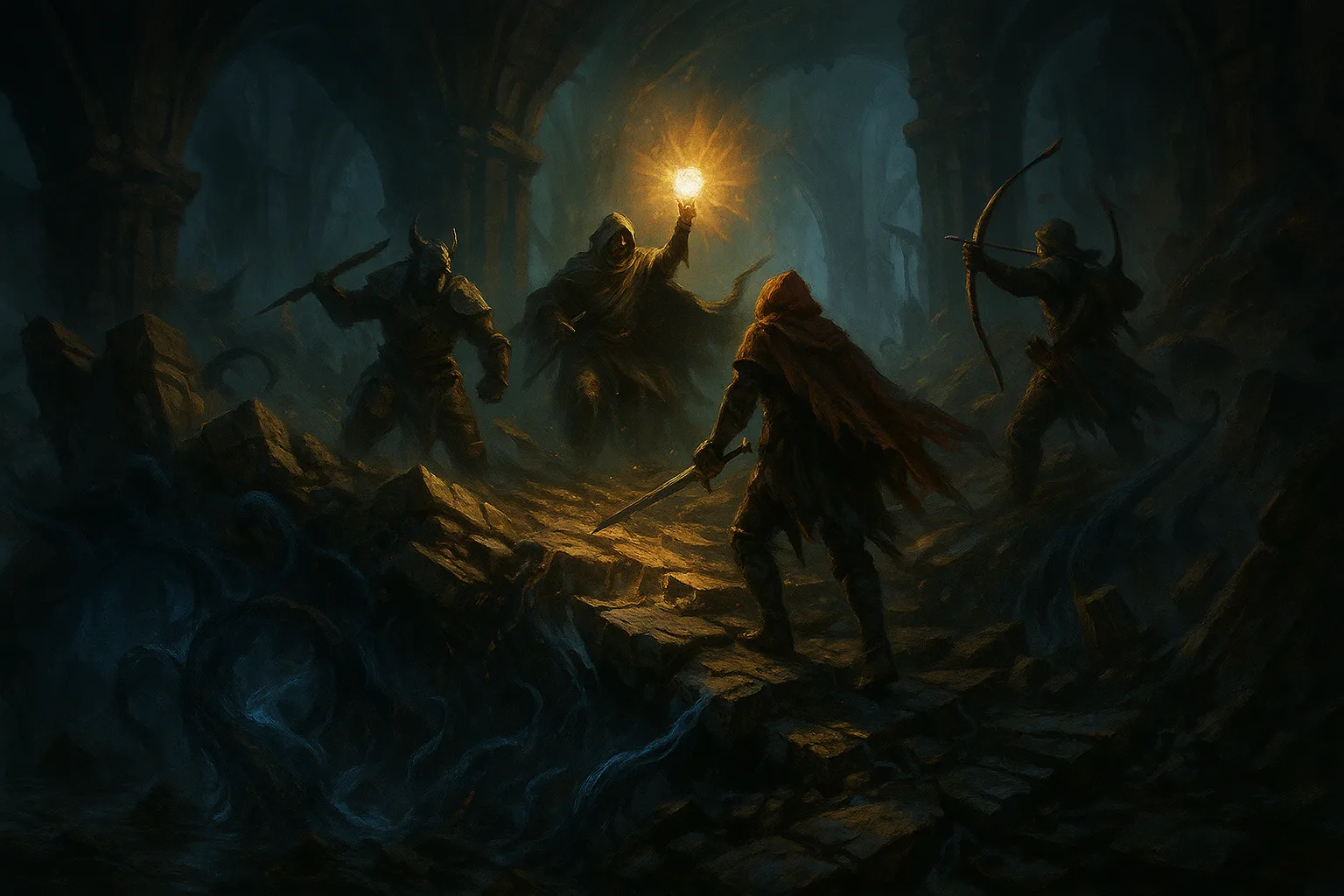
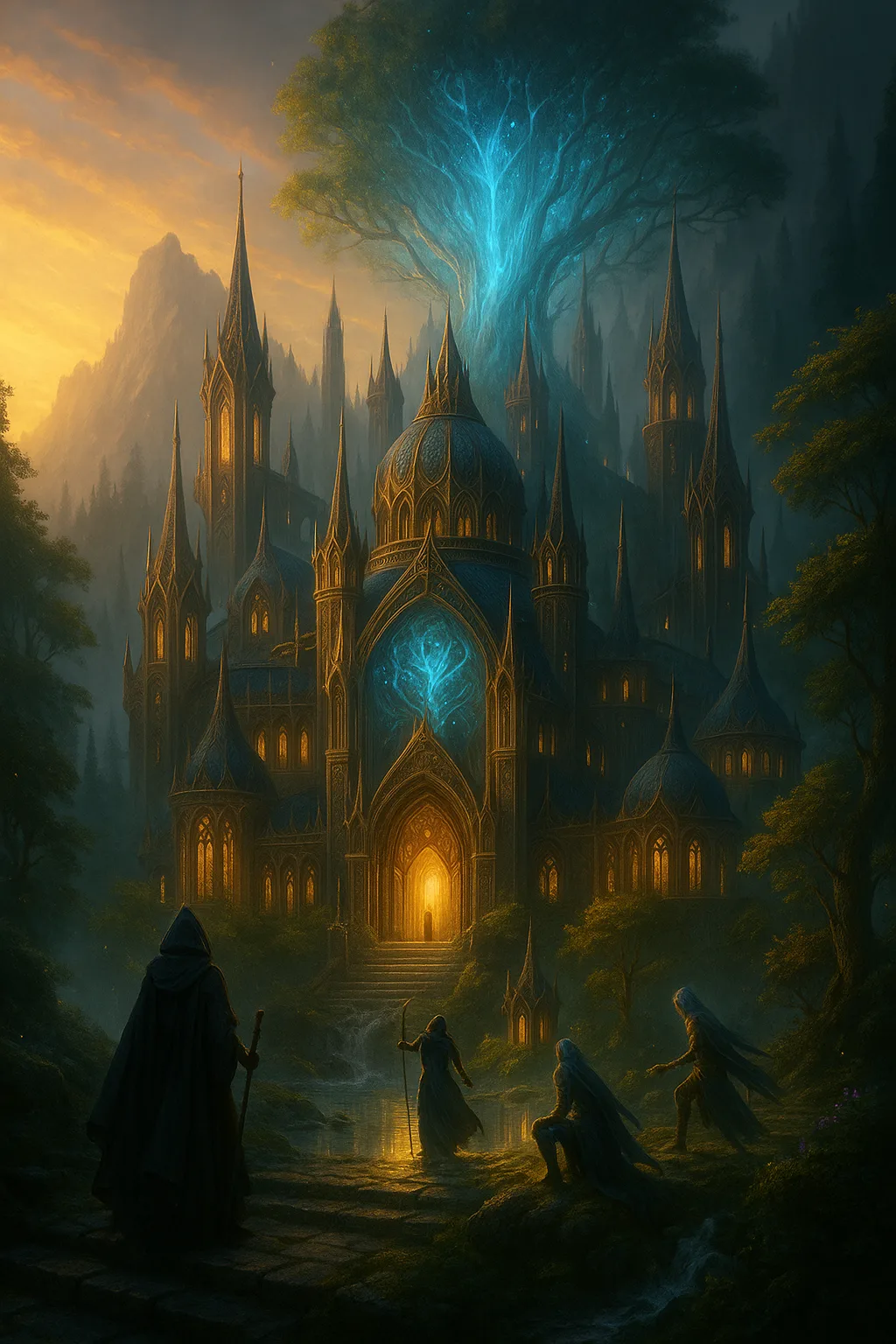
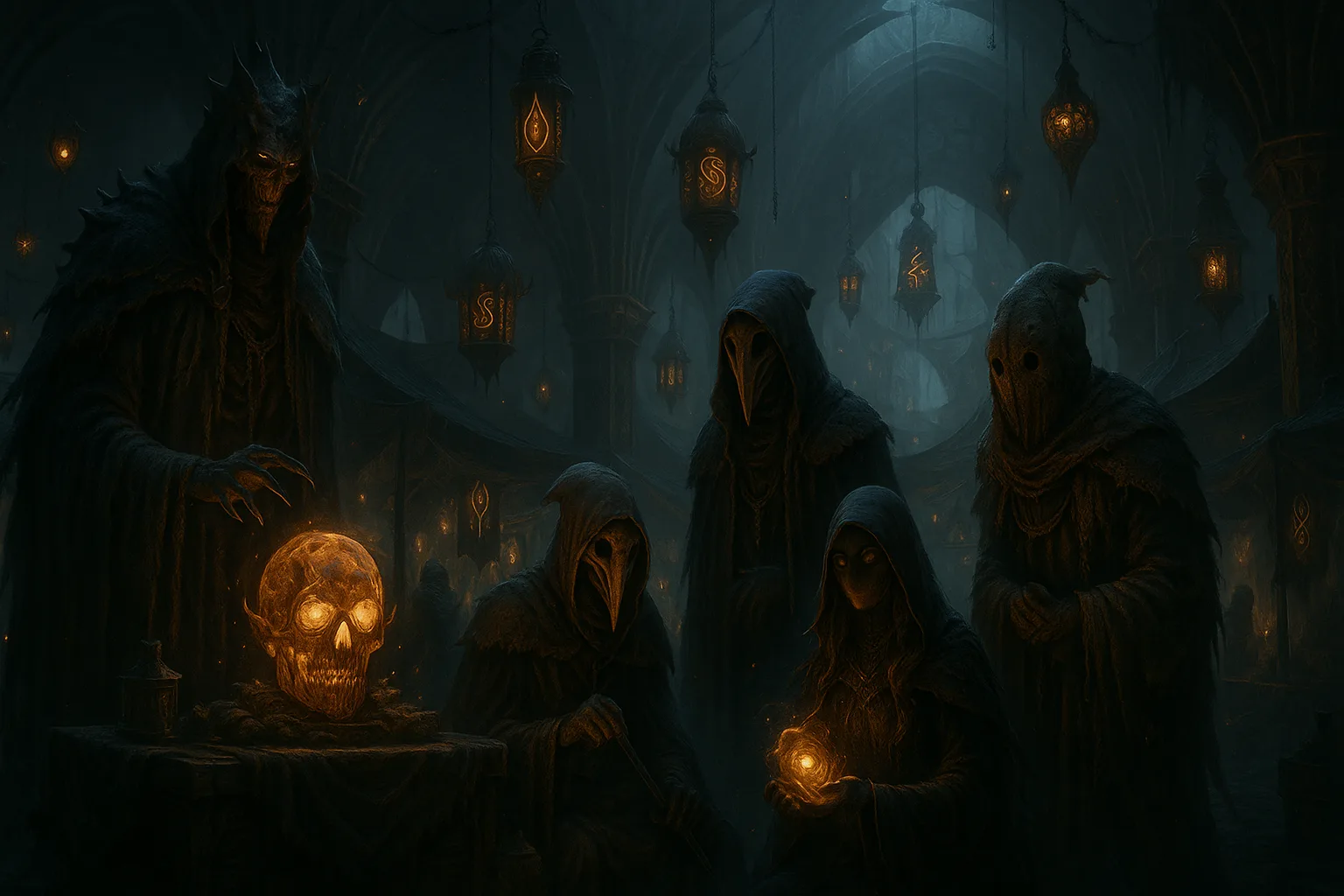
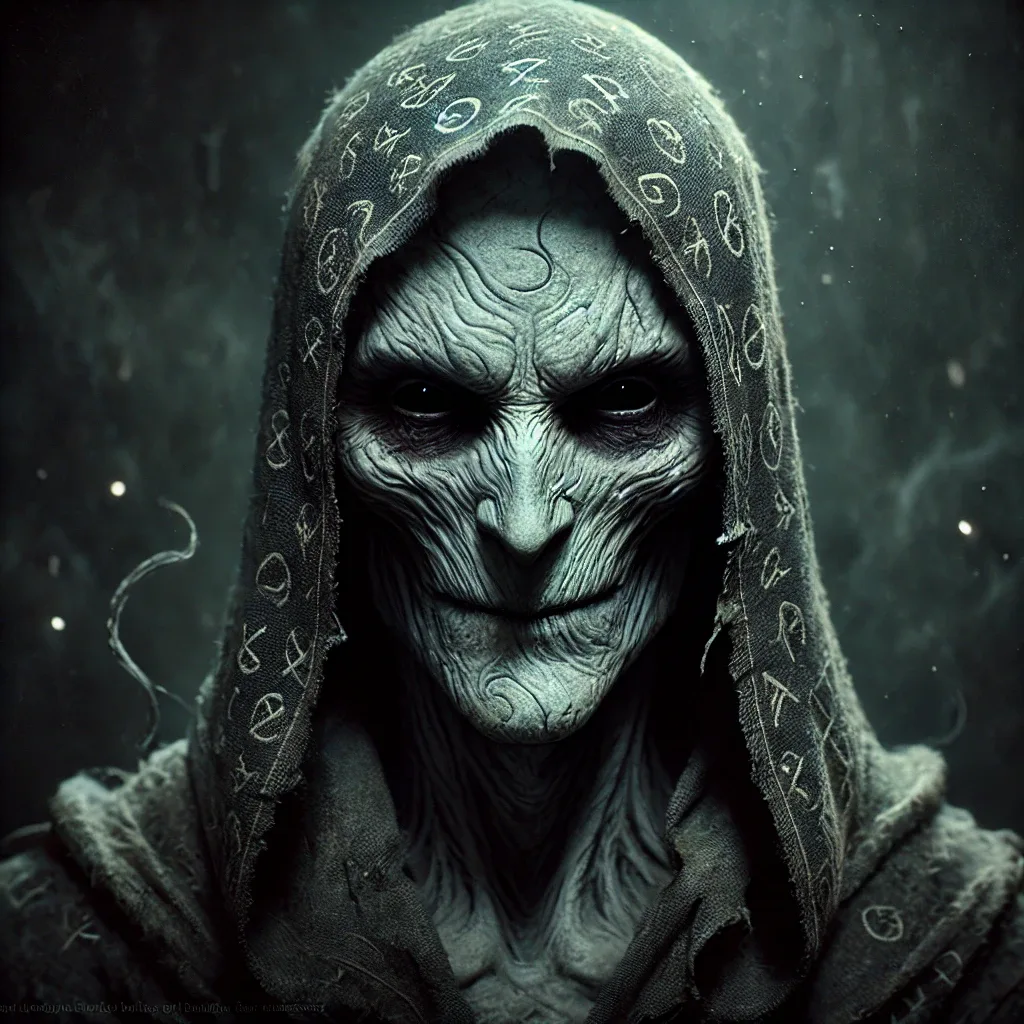
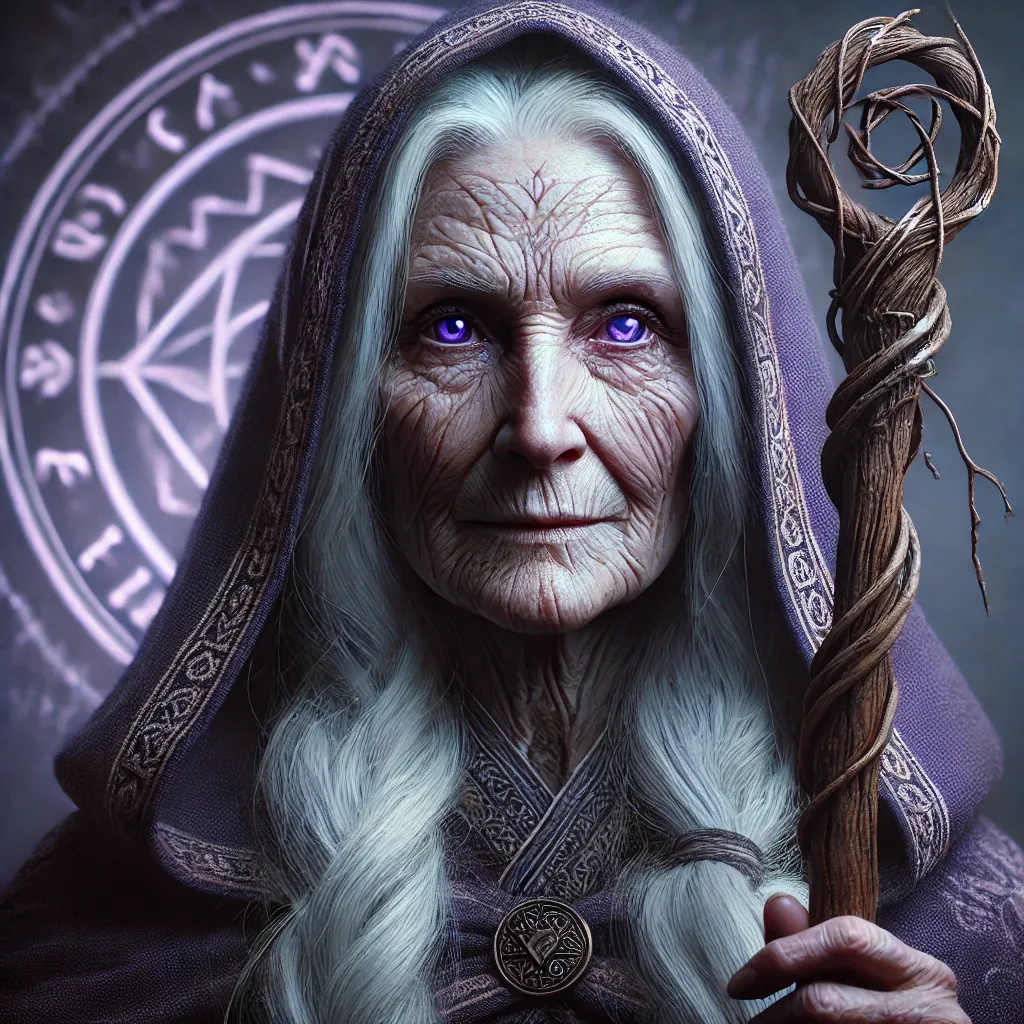
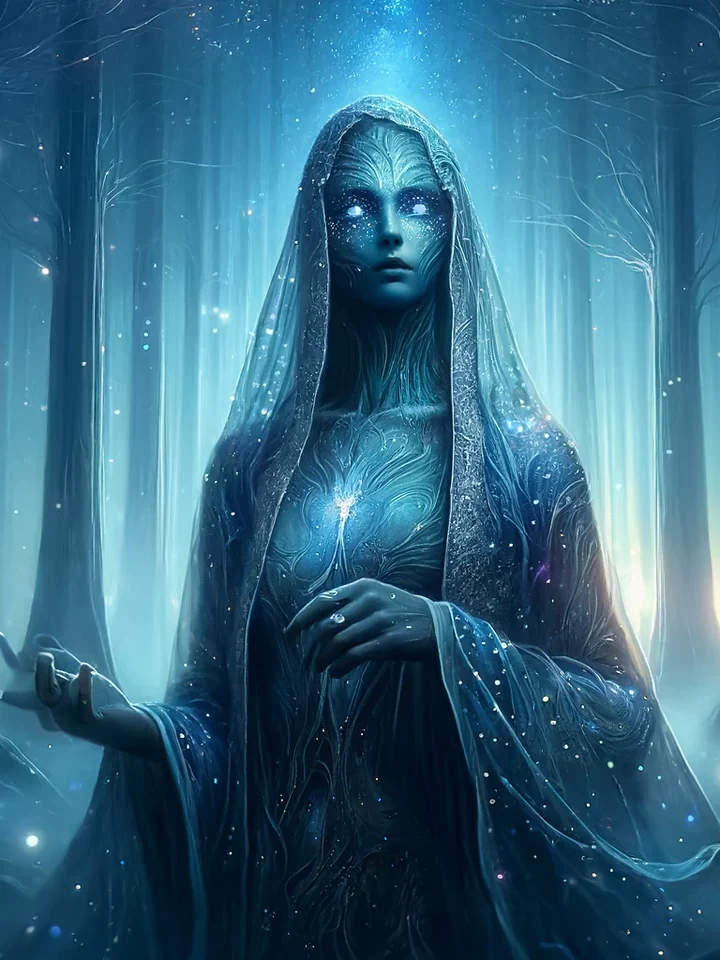
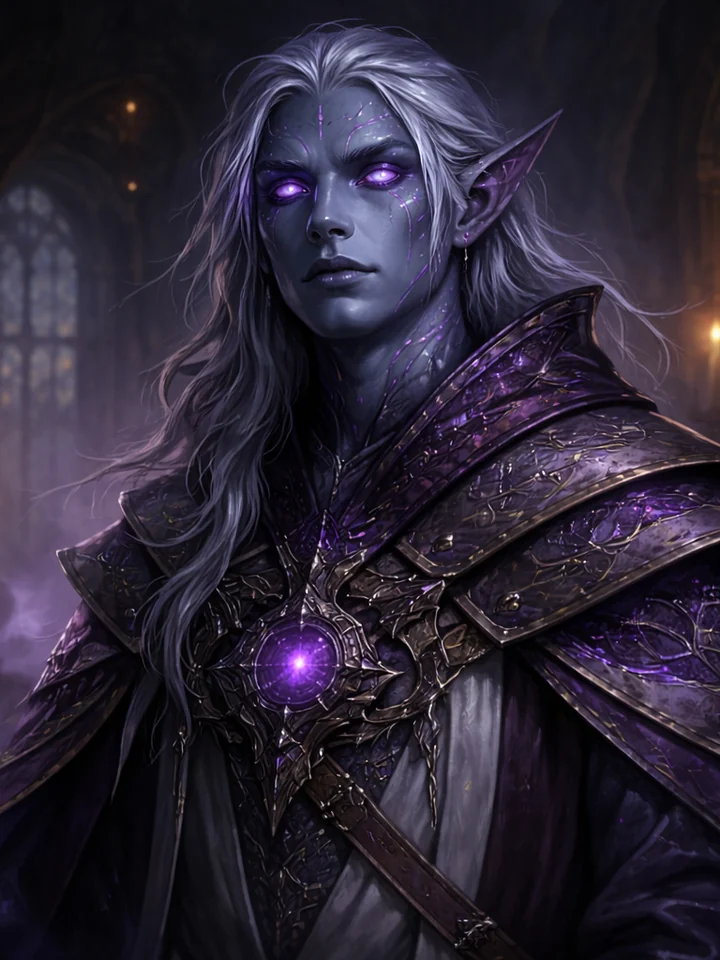
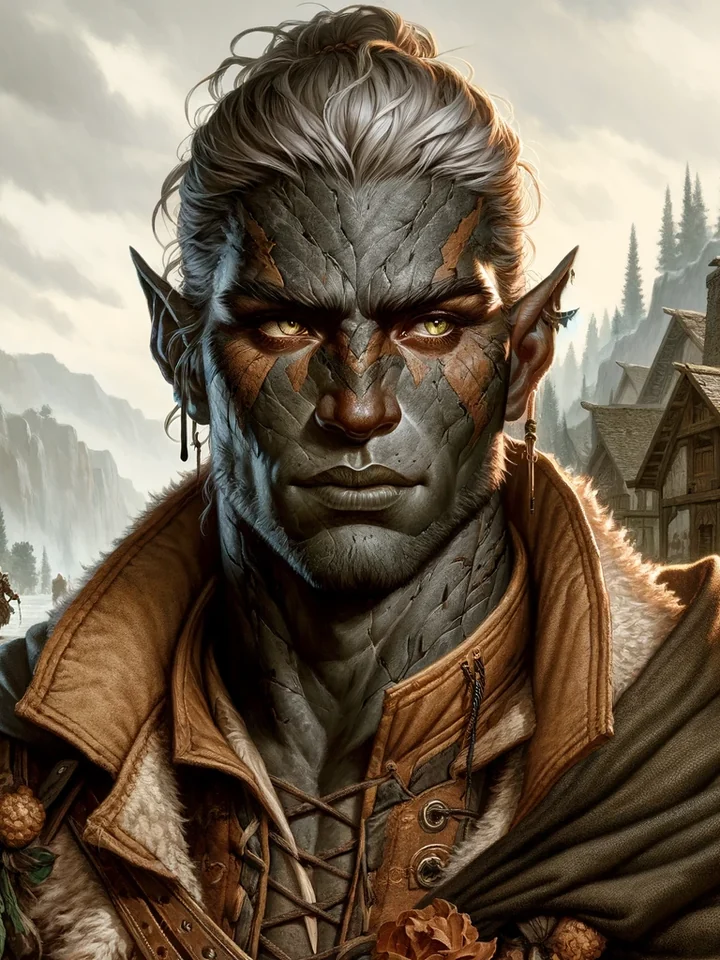
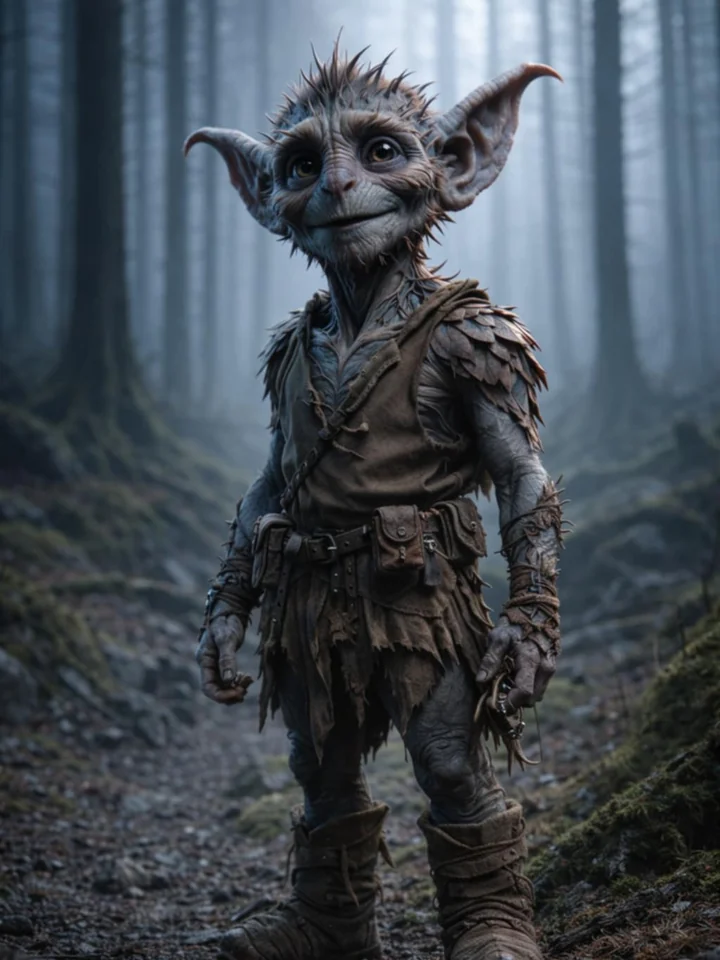
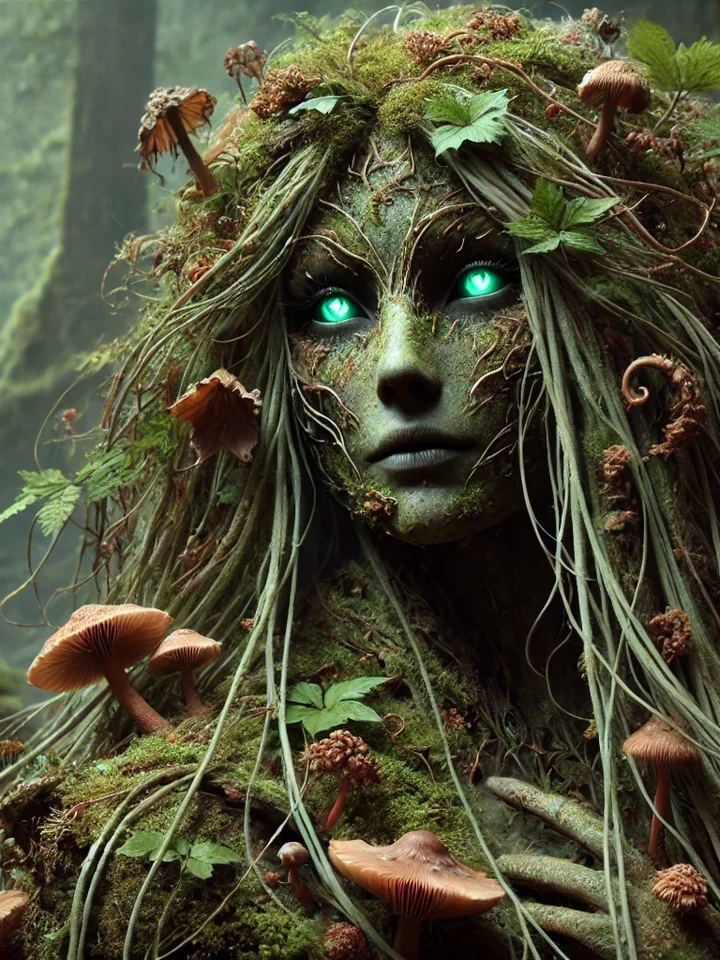
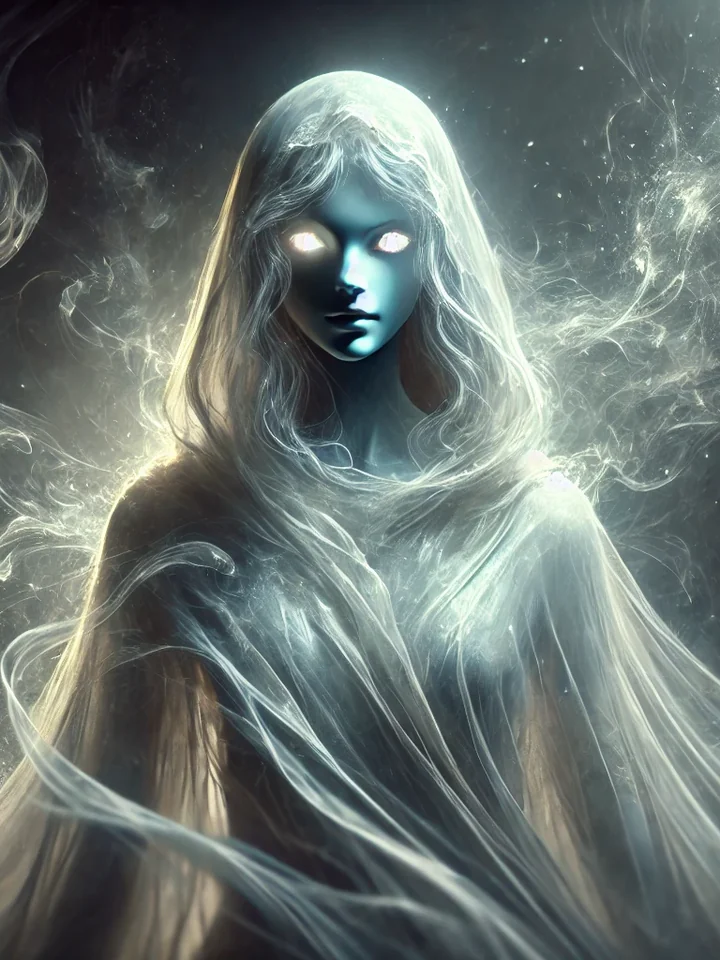
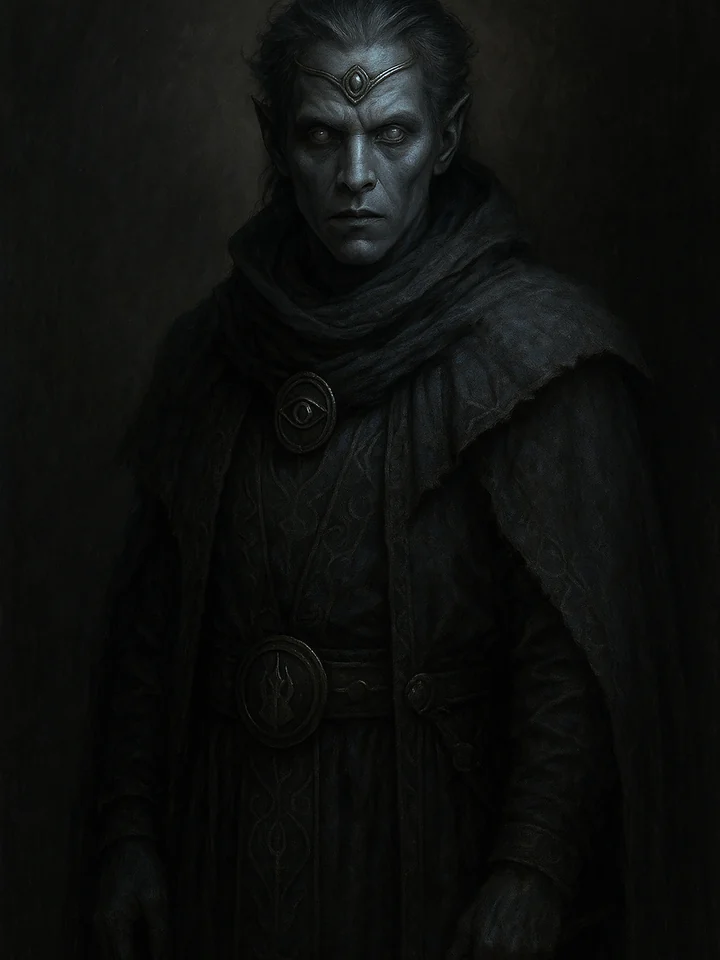
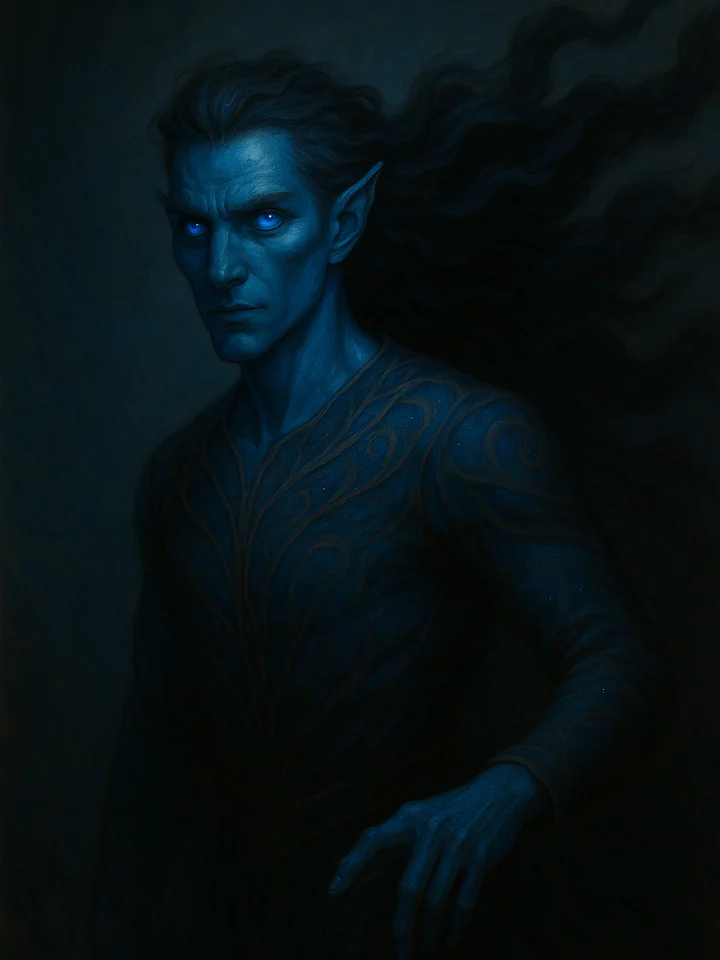
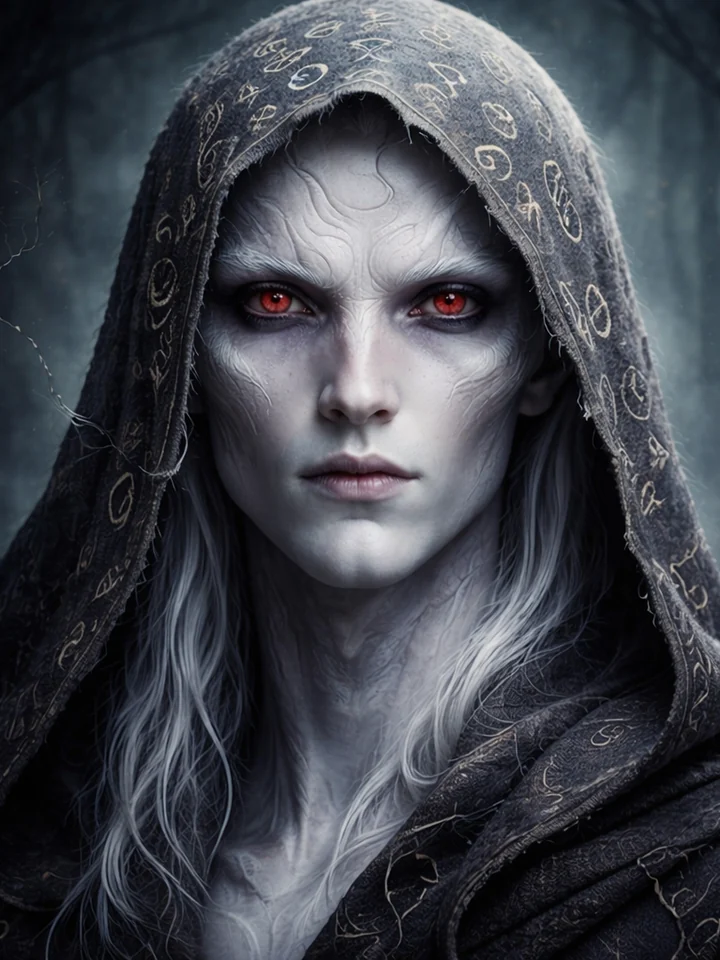
Each gateway below opens a clear route into the setting, from the first public overview to the tools, downloads, lore, and table material available now.
Gateway I
Start Here: What Is Alberenar?
Alberenar is a dark fantasy roleplaying world where the land itself feels like an active witness. Ancient powers do not merely sit in ruins; they seep into weather, bloodlines, dreams, maps, and the choices made by people desperate enough to survive them.
The setting is built for campaigns in which wonder, horror, investigation, travel, political tension, and personal consequence all share the same road. A session might begin with a village rumour, pass through a landscape that remembers a forgotten war, and end with a character choosing whether knowledge is worth the damage it leaves behind.
- Best for dark fantasy campaigns, solo journeys, regional mysteries, and grim exploration.
- Built around atmosphere, consequence, lore discovery, and practical table use.
- Full of locations, factions, monsters, and omens that immediately suggest play.
Gateway II
Playable Peoples & Cultures
Alberenar’s playable peoples are more than ancestry entries. Each culture carries a way of seeing the world, a history of hardship, and a relationship with the Veil, the Void, the old powers, or the haunted geography around them.
Each culture helps a character feel rooted before the first die is rolled. A traveller from perpetual twilight does not fear the same things as someone raised beside black water, blood-red reservoirs, or ruins that alter memory.
- Draumari, Shadeborn, Void Touched, Fellkin, Thornlings, Wyrdfolk, Veilwalkers, Umbravari, Eidolorn, Albino Void Touched, and Shadowtouched Thornlings each support a different identity, danger, and play style.
- Culture influences rumours, allies, taboos, magic, and how communities respond to the character.
- People and culture entries create party tension without reducing anyone to a simple bonus line.
Gateway III
Classes, Paths & Magic
Alberenar’s classes and paths draw their strength from the setting’s damaged cosmology. A Twilight Harbinger works with light and shadow, a Mountain Sentinel carries the endurance of stone, and stranger paths reach towards cosmic sight, rift-warding, void stalking, or craft shaped by impossible forces.
Magic in Alberenar is useful, tempting, and costly. It is not only a list of powers; it is a negotiation with forces that may remember the caster long after the spell ends.
- Class concepts draw strength from geography, faction history, and the character’s personal legacy.
- Echoes, eldritch marks, sanity, corruption, and relic consequences all reinforce the cost of power.
- Public lore invites discovery while deeper secrets remain for adventures and Game Master material.
Gateway IV
Adventures & Modules
Alberenar adventures begin as if the world has already started moving before the characters arrive. Missing caravans, submerged villages, impossible wounds, cursed expeditions, faction rituals, and regional monsters all provide openings that can widen into campaign-defining choices.
The range supports full party play, solo play, and regional one-shots, giving each group a concrete problem, a human cost, a vivid place, and a hidden truth that changes what the first problem really means.
- Adventures reveal the world through action rather than exposition.
- Scenarios centre on investigation, survival, moral cost, and encounters that can be solved in more than one way.
- Player hooks stay clear, while secrets, motives, and unrevealed maps remain for GM material.
Gateway V
Regions & Factions
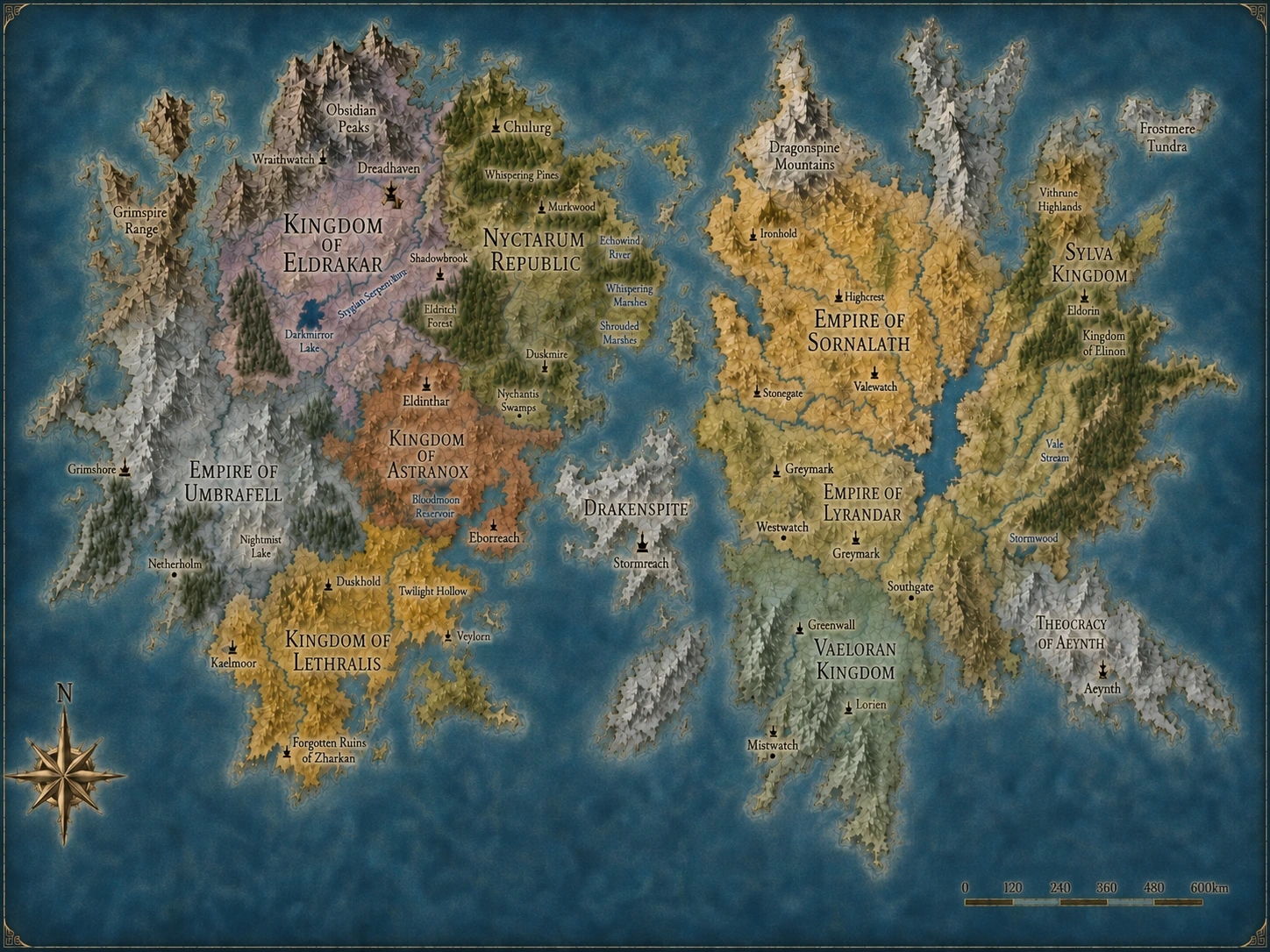
The regions of Alberenar give each journey a different threat. Eldrakar offers perpetual twilight, jagged mountains, ancient forests, and research-haunted ruins. Nyctarum brings swamps, mist, tangled marshes, and forgotten law. Astranox stains the coast with blood-red waters and dark rituals, while Lethralis and Umbrafell carry cursed ruins, coastal shadows, black rivers, chasms, and hidden coves.
Factions make every map political. The Eldritch Cabal, Abyssal Dominion, Inquisition of the Shrouded Eye, Outcast Tribes, Veilweavers, and celestial powers each offer help, danger, temptation, and unreliable versions of truth.
- Regions act as play engines: weather, terrain, trade, rumour, creature ecology, and faction reach.
- Factions are useful enough to approach and dangerous enough to distrust.
- Settlements, ruins, and roads reflect the powers that contest them.
Gateway VI
Enemies, Monsters & Corruption
Monsters in Alberenar are not just stat blocks waiting in rooms. They are expressions of ecology, curse, region, forgotten war, failed ritual, or the Void pressing its shape into the world. Each beast reveals something about the land that birthed it.
Corruption appears in behaviour, environment, and consequence. Players fear what a creature does, but also what its presence proves about the place around it.
- Monsters carry ties to habitats, local beliefs, and regional dangers.
- Horror grows through clues, aftermath, and choices before combat begins.
- Corruption creates marks, bargains, altered routes, tainted supplies, and long-term consequences.
Gateway VII
Lore Archive & World History
Alberenar’s history feels recoverable but never safe. The past survives in archives, half-remembered festivals, wrong maps, ruins beneath cities, ancestral songs, and wounds in the landscape. Characters do not merely learn history; they risk becoming part of its unfinished argument.
Public lore can present the broad shape of the world while preserving campaign-defining secrets for play. Every lore page invites curiosity without answering every mystery before the table begins.
- History creates present-day conflicts, not static background.
- Public lore stays separate from GM-only secrets.
- Every archive entry suggests a location, faction, relic, monster, or decision.
Gateway VIII
Tools, Sheets & Solo Play
Alberenar supports group campaigns, solo play, and co-operative journeys. Solo-first material works best when the rules create tension without requiring a hidden referee: clocks, travel turns, omens, records, companions, keyed discoveries, and consequences that follow the character home.
Tools help a Game Master or solo player create an event quickly while preserving the tone of the world. Each tool gives the table something sharp enough to pick up.
- Dice rolling, omen creation, character sheets, printable aids, and journey records support play.
- Wounded Roads material supports travel, survival, regional encounters, and return consequences.
- Tools stay fast, readable, and immediately useful at the table.
Gateway IX
Soundtracks & Atmosphere
Music and atmosphere for Alberenar support play without drowning it. Tracks can be grouped by region, type of scene, or table function: travel, investigation, ruins, pursuit, dread, discovery, rest, and final confrontation.
Each soundtrack entry tells the Game Master when to use it. Is this a route through Umbrafell, an omen beneath the Obsidian Peaks, a hunt in fog, or a quiet moment when the party realises the road is listening?
- Alberenar tracks stay rooted in haunted roads, wounded realms, dangerous magic, and the uneasy silence before a choice is made.
- Each track includes a table-use description, not just a title.
- Looping remains careful: ambient tracks support tension without becoming intrusive.
Gateway X
Downloads & Printables
Downloads are the practical doorway into the setting: sample character sheets, public previews, lore samplers, maps, visual handouts, and playable extracts that let a visitor understand the line without revealing surprises best discovered in play.
The public library is curated so every file has a purpose, a label, and a safe level of access. Major sourcebooks and GM-only secrets remain reserved for release or the table. Occasional extra Alberenar handouts or previews may also be shared through the studio Facebook page.
- Slim public PDFs, sample maps, character sheets, previews, and play aids give visitors usable first material.
- Full sourcebooks and GM-only secrets stay protected for the proper release or play experience.
- The download area guides visitors from curiosity into actual play.